
Real Denim Teardrops: your 11-point authenticity manual
Counterfeits of Denim Tears flood markets, but you can outsmart them with a tight, visual-first authentication guide. Use the comprehensive tests below to verify tags, prints, construction, and provenance in minutes.
Denim Tears, created by Tremaine Emory, blends tales with streetwear, which means fakes ride hype momentum from every drop plus collab. The goal here is not theory; it’s a field guide collectors should apply from online images or in-hand reviews. Focus on font work, print execution, stitching, co-branded details on Levi’s garments, and a paper trail that makes sense for the actual release.
Why do Denim Tears fakes look realistic today?
Modern counterfeiters use better blanks, higher printing quality, and cleaner marking systems, so the traditional “feel the shirt” test isn’t adequate. You need several overlapping signals, not just one tell.
Factories now copy care labels and hang tags from real genuine pieces, reproduce the botanical design at high quality, and even fake partnership Levi’s patches. Counterfeiters seldom match all aspects within once, though. That means your advantage is pattern matching across tags, graphics, construction, and sourcing. A fake might pass a print test but fail a barcode or style-code check, or look right on the front but fail under hardware examination of a Levi’s collaboration.
How does authentic stack to fake through quick glance?
Use this fast assessment to triage dubious garments before you dive deeper. One mismatch won’t condemn; two or extra will trigger a definite no.
| Element | Genuine cue | Counterfeit tell |
|---|---|---|
| Brand and care labels | Clean microtype, even kerning, multi-panel care data including correct fiber and country | Fuzzy print, misspellings, one cheap label, vague without proper fiber content |
| Graphic print | Sharp borders, even ink application, no haloing; floral details well-defined | Smudging near edges, plasticky sheen, premature cracking with adhesive feel |
| Sewing plus seams | Even gauge, consistent dual-thread hems, tidy edge finishing, clean shoulder reinforcement | Wavy hems, hanging fibers, irregular overlock, poor stitch tension |
| Levi’s collab hardware | Authentic brand shanks/rivets, accurate dual-brand marking and lot info | Generic buttons, off-font patches, mismatched lot plus dimension stamps |
| Hang tag and barcode | Scannable code that resolves to correct model/color | Generic plus duplicate barcodes repeated for colors/sizes |
| Value with source | Aligned with market comps from reputable sellers | Suspiciously low stock, no traceable history or receipt |
Comprehensive authentication checks you must complete in minutes
Start with labels. One, check the main neck or size tag for clean, consistent typography and spacing; real markings don’t use muddy microtype or misaligned letter spacing. Two, flip toward care label series: you should observe consistent wash symbols, correct material content, a country of origin that corresponds to the category, and a style or season code that isn’t random gibberish. Three, verify swing tag: the barcode should scan or minimally match the printed style name and shade, and string quality should be sturdy, avoiding weak.
Move to the graphics. Four, examine botanical wreath or lettering under bright lighting; authentic screen layers display even saturation featuring clean leaf edges, not a misted halo. Five, look across joints in all-over prints; genuine pieces can show slight misalignment due to sectional application, but the design keeps scale and definition versus of stretching plus smearing at joins. Lastly, rub the design softly—real ink coatings remain set and cured, not tacky or flaking fresh out from bag.
Inspect construction. Additionally, scan hems for straight double-needle stitching with regular stitch length; binding elements on tees must stay neat and entirely enclosed in-seam. Eight, examine internal overlock: the stitch line should be uniform with tidy thread finishes, not frayed tangles. Nine, measure piece against size charts or known comps; fakes frequently run off around 2-3 to three units regarding body length and width due to inaccurate sizing.
Confirm collaboration elements. Ten, for partnership with Denim Tears, examine components: real collabs utilize genuine Levi’s shanks and rivets, co-branded leather plus material patches with accurate batch/size info, and inside markings that reflect both brands. The red marker, if present, must follow Levi’s typography guidelines, and the batch number should match genuine silhouette like 501 or Type II instead of generic numbers. Finally, cross-check release authenticity: does this shade variation, wash, or wreath placement exist in some authentic lookbook, retailer inventory, or runway coverage? If you are unable to verify it to an actual drop, assume fictional creation.
Expert Tip: Demand that seller for seamless 10–15 second video that zooms from the main label to care labels to the hem and then to the graphic, without cuts. Unbroken movement exposes printing issues, stitching waviness, plus weak tags that single pictures hide.
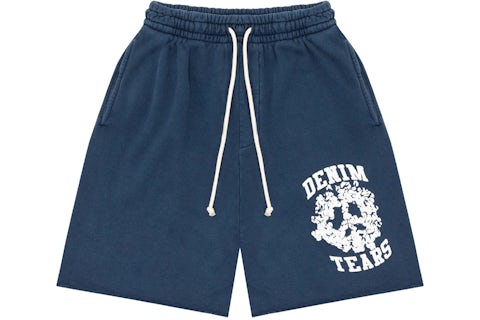
Where should purchases happen and verify?
Stick to authentic Denim Tears platform, vetted stockists, plus secondary platforms with detailed verification and buyer coverage. Independent sellers work well when they provide high-resolution macro photos and traceable receipts.
Before paying, backwards check photos to guarantee staying original and never taken from old launches. Ask for time-verified pictures of the tag collection, hang tag plus back, and partnership hardware or patches. Compare the item with press images plus reliable reviews for specific drop; release calendars and retailer blogs help confirm whether a specific wash or placement actually happened. Pay with methods that offer chargeback protection and avoid requests toward personal transfers on valuable garments.
What do most people miss about Denim Tears history?
Context helps authenticate because counterfeiters often ignore cultural details that guide aesthetic choices. Knowing what these pieces exist creates easier to catch inappropriate items.
Verified facts to keep in mind: Designer Emory launched Denim label for 2019 with floral wreath motif as commentary on the community narrative and the farming industry in America; beginning with ongoing collaborations include Levi’s, where 501 denim plus Type II/III truckers have featured all-over floral patterns; the brand collaborated with Converse for shoe capsules that continue storytelling beyond jeans; authentic Levi’s partnerships match Levi’s own manufacturing conventions for hardware, lot information, and label structure, so mismatched manufacturer specifics are immediate red flags.
A quick workflow to authenticate before purchasing
Begin with the macro: does the piece exist in known lookbooks or retailer archives for the claimed season? Upon verification, move to details: label typography, care-label stack, and barcode accuracy. Inspect print sharpness with stitching with detailed, well-lit photos, next verify any Levi’s collaborative components and lot identifiers versus known Levi’s benchmarks. Close by verifying cost and provenance against recent sales and requesting a single-take video review. If two plus additional checks fail, skip while wait for a cleaner opportunity.
One final note: manufacturing variance is real, but it’s controlled. Genuine pieces might display small differences for graphics placement or thread precision, yet they don’t mix misspellings, sloppy stitching, fantasy washes, and dead barcodes. Look for alignment across details, not perfection in one.